The Home Not Seen for 100 Years
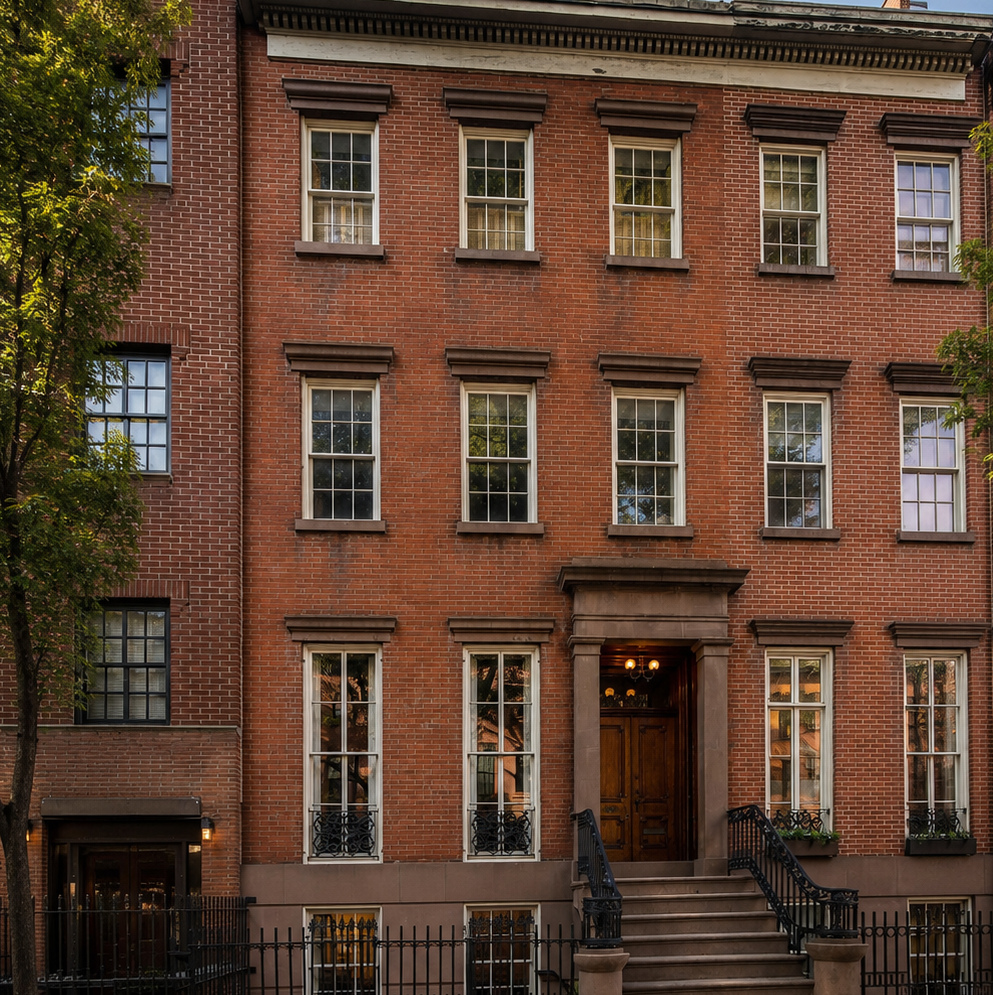
Built in 1841, this Greek Revival townhouse remained in the same family’s hands for nearly a century, quietly disappearing from public view. Its likely connection to the Underground Railroad, remarkably intact architecture, and collection of original details make it one of the best-preserved historic homes in Greenwich Village.
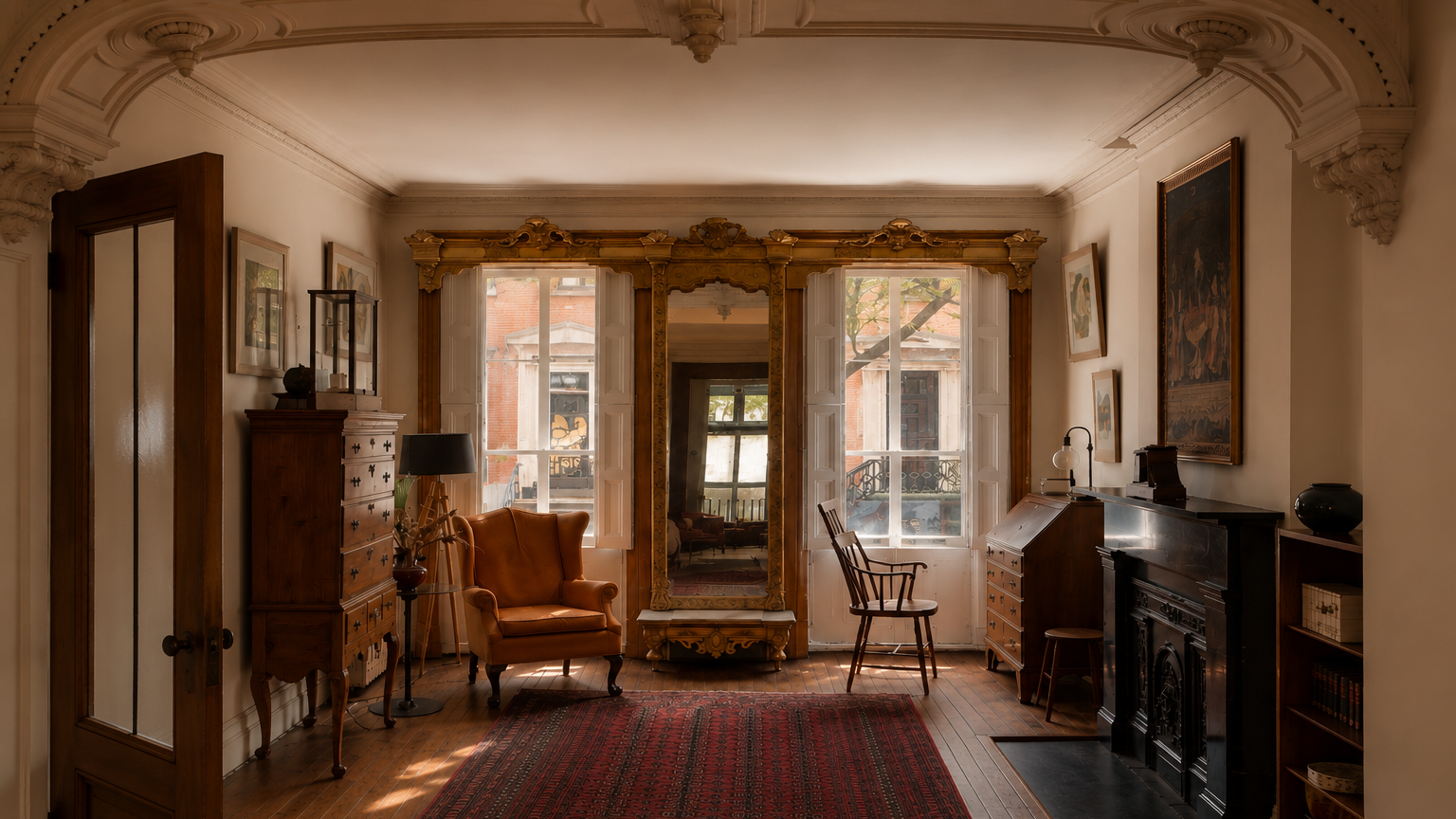
Listing courtesy of Harkov Lewis Team, Jordan Crystal | Photography by AKN
The Space
How the House Unfolds
What makes the house memorable isn’t a single room, it’s how naturally everything connects.
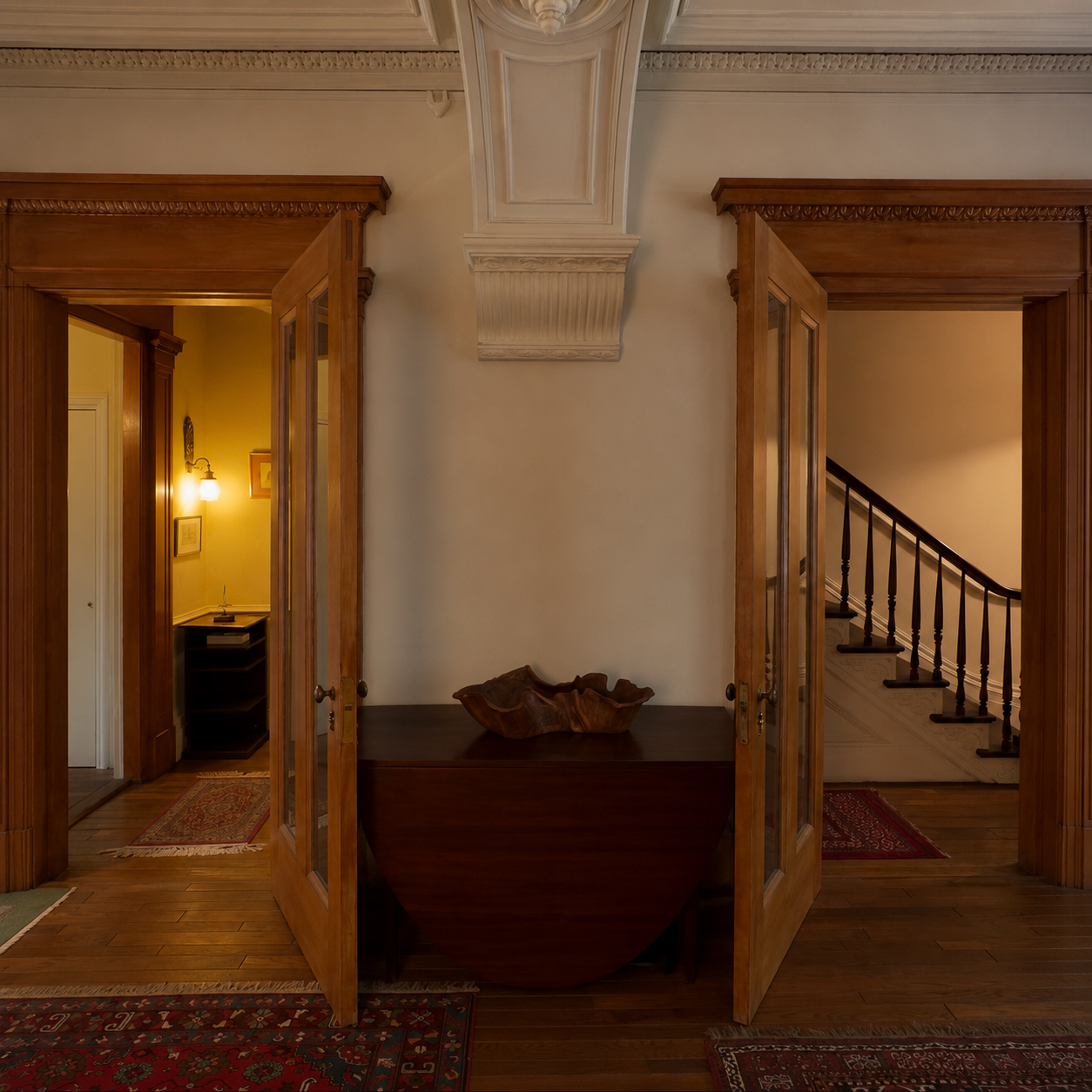
At twenty-one feet wide, the proportions feel generous from the moment you enter. The rooms flow comfortably into one another, and very little interrupts the original layout. Rather than feeling restored, the house feels preserved.
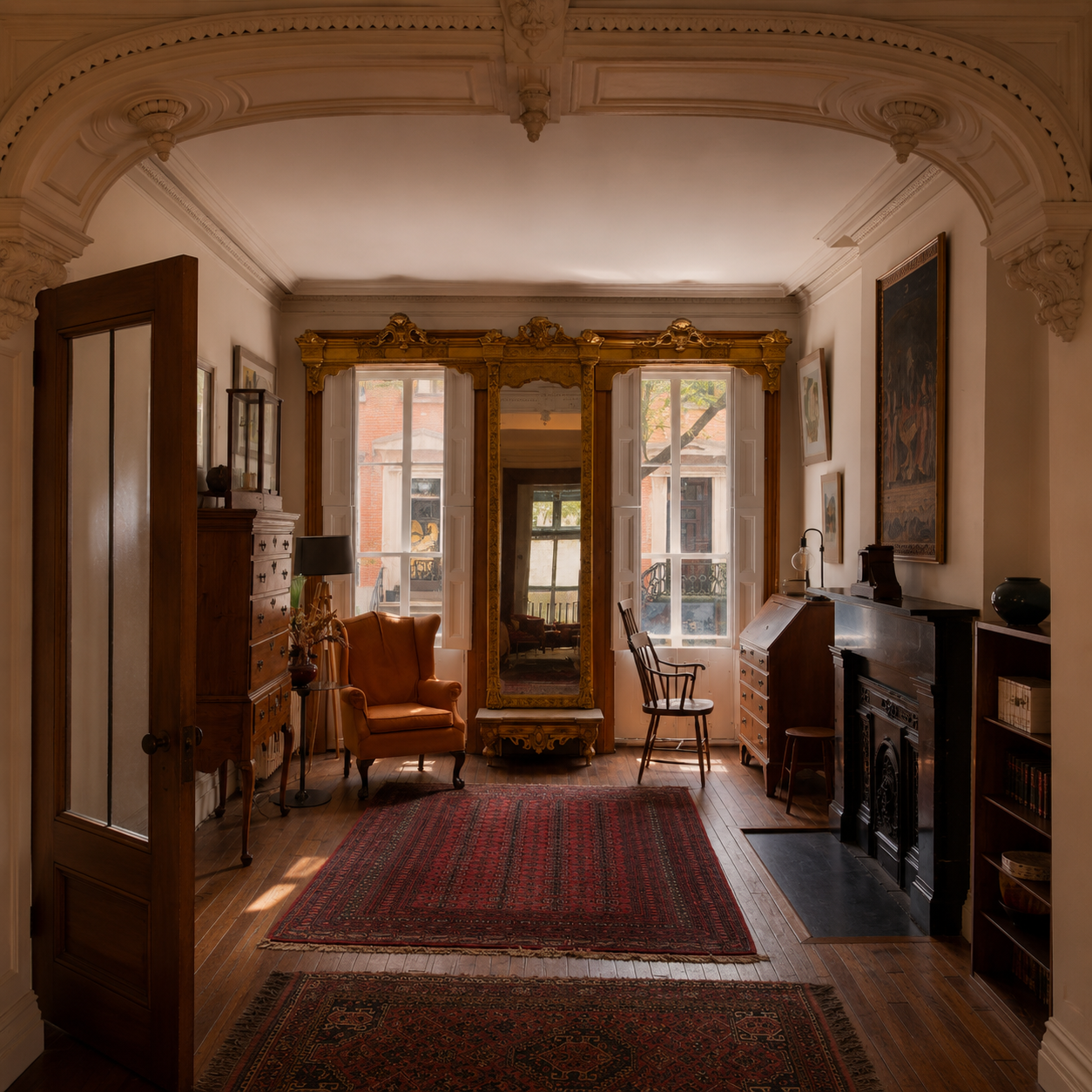
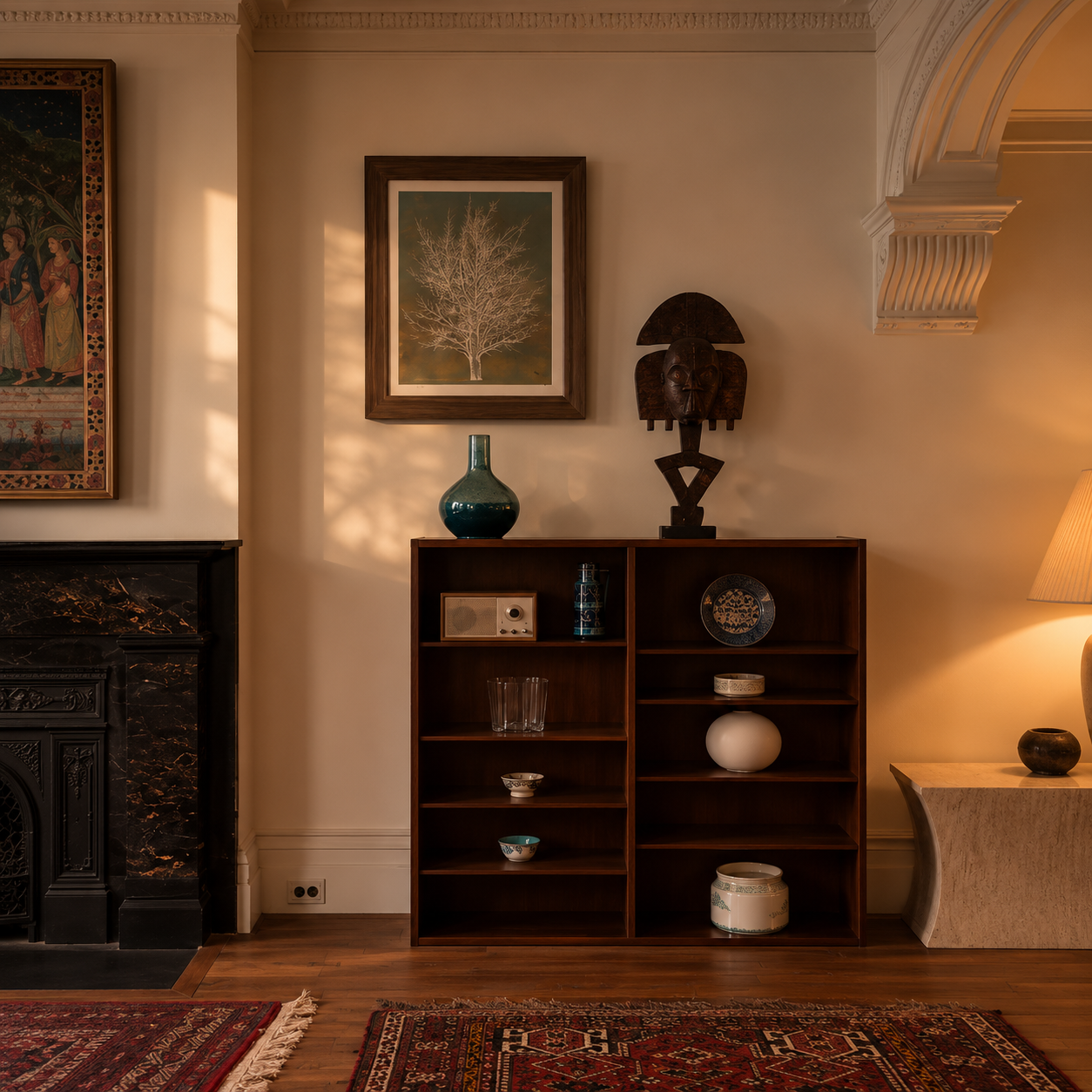
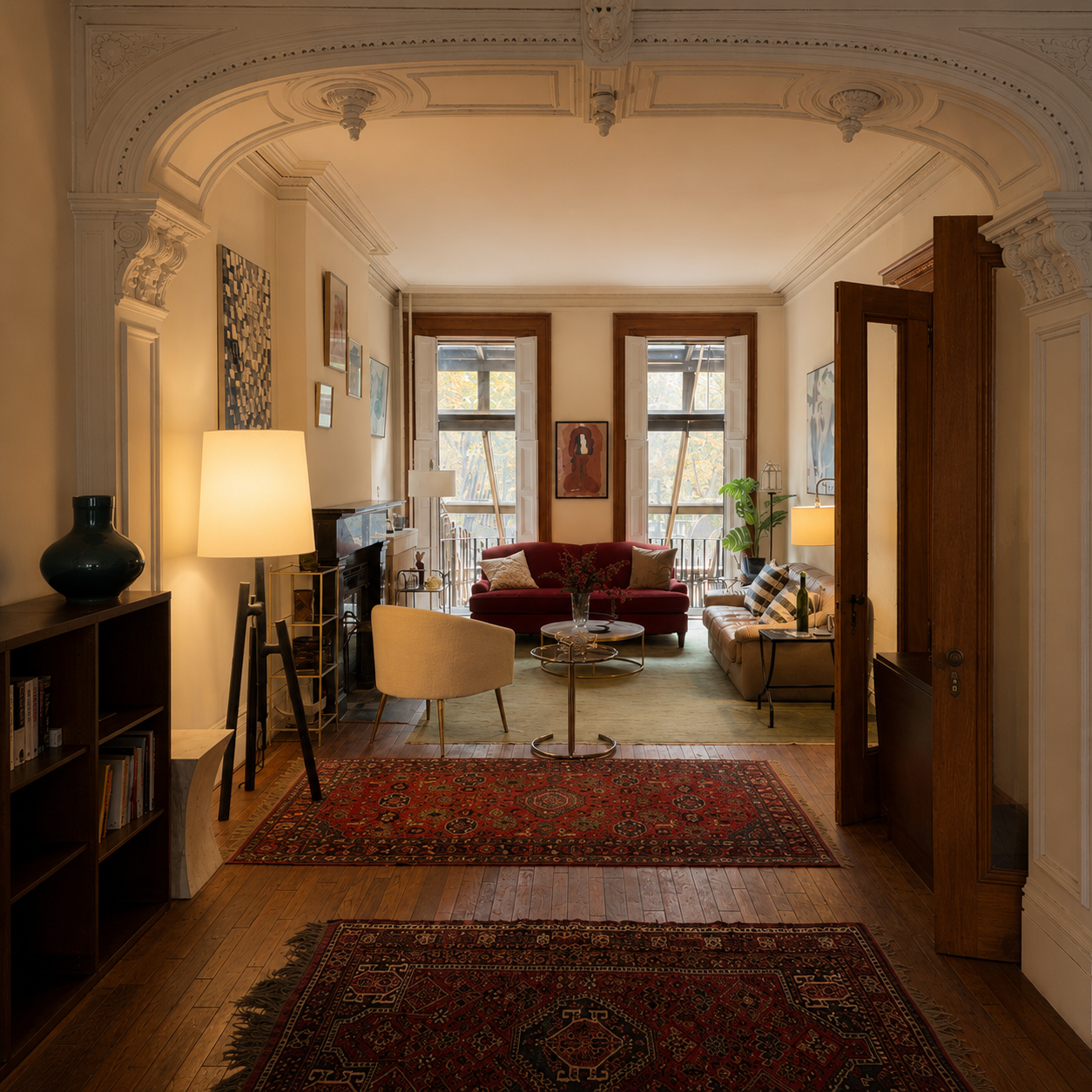
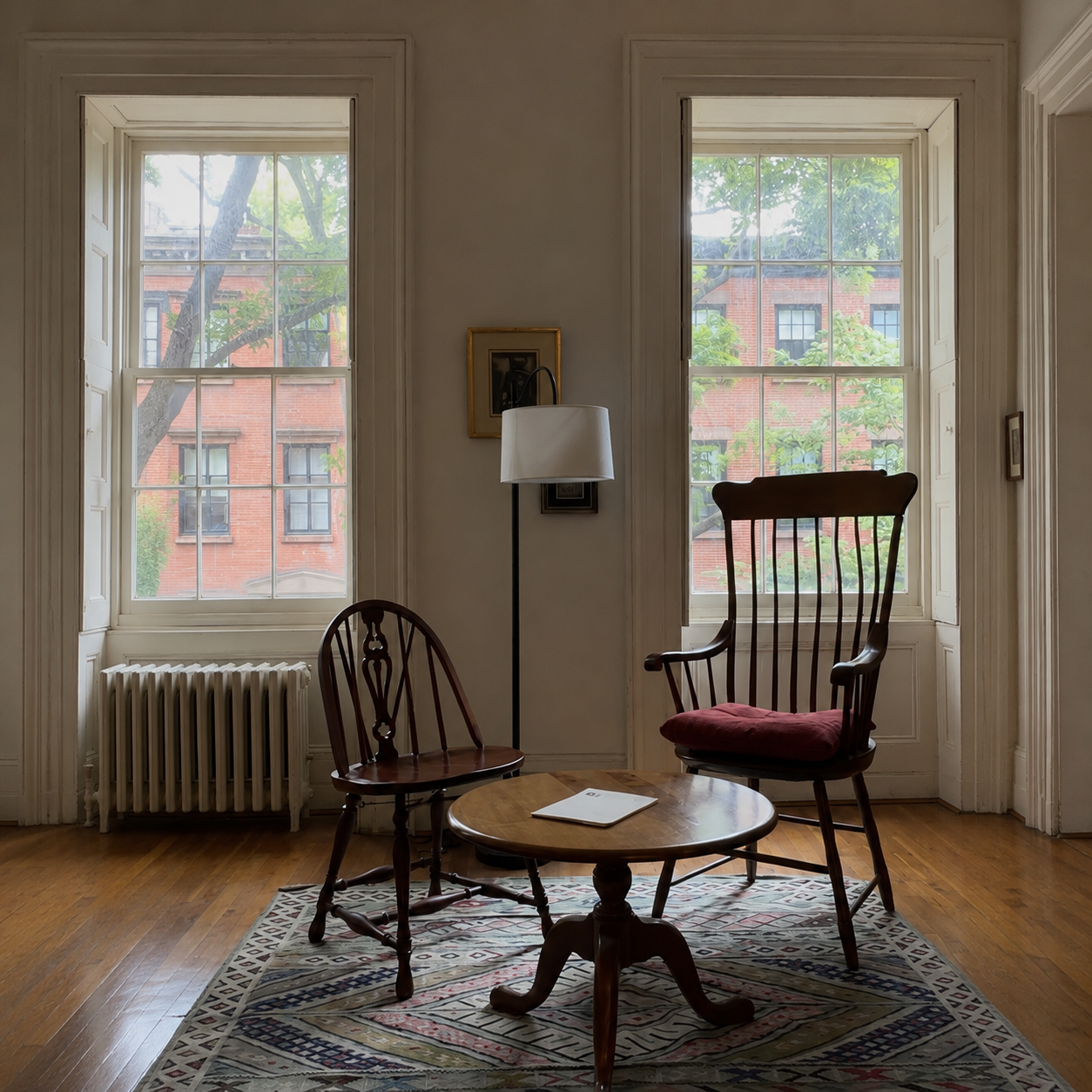
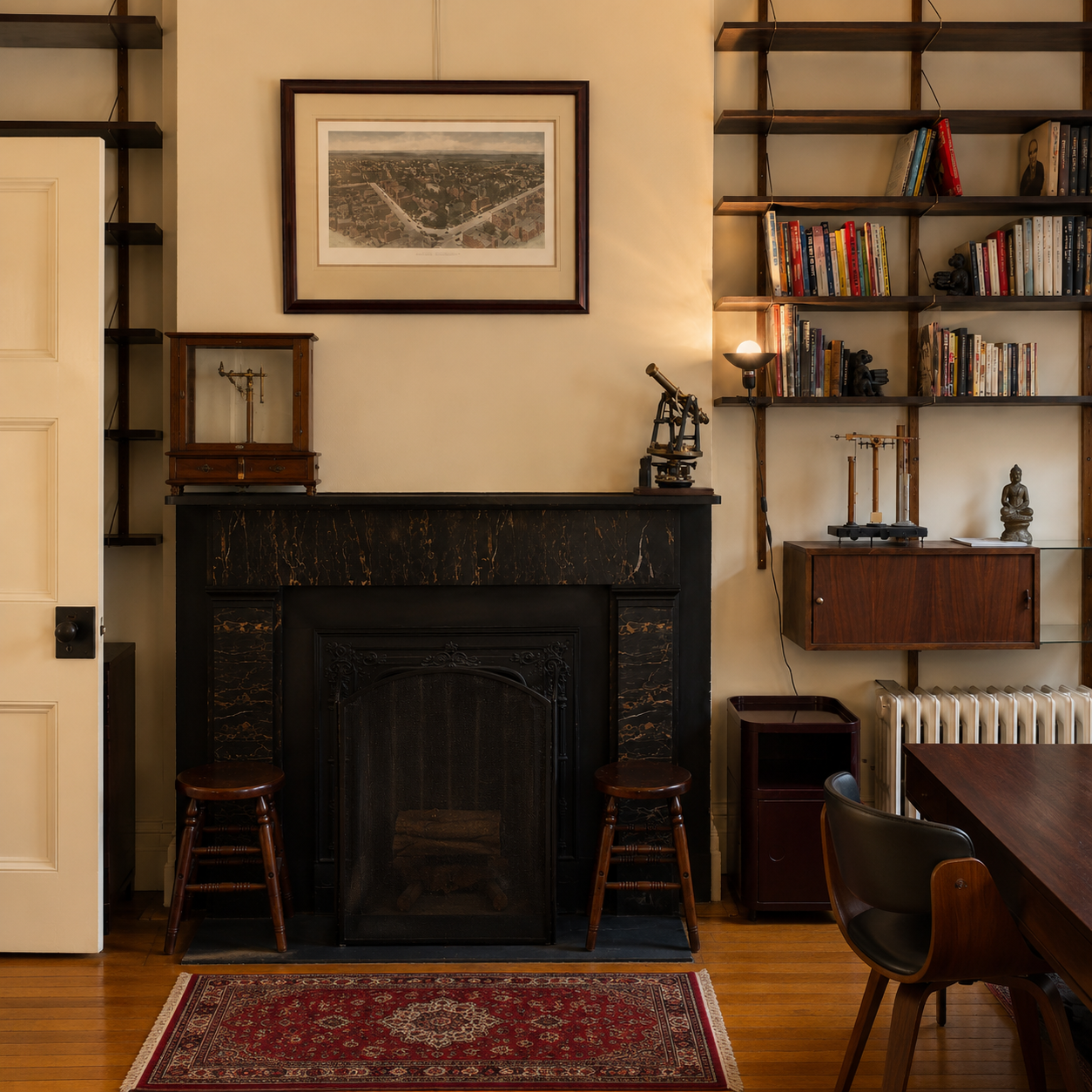
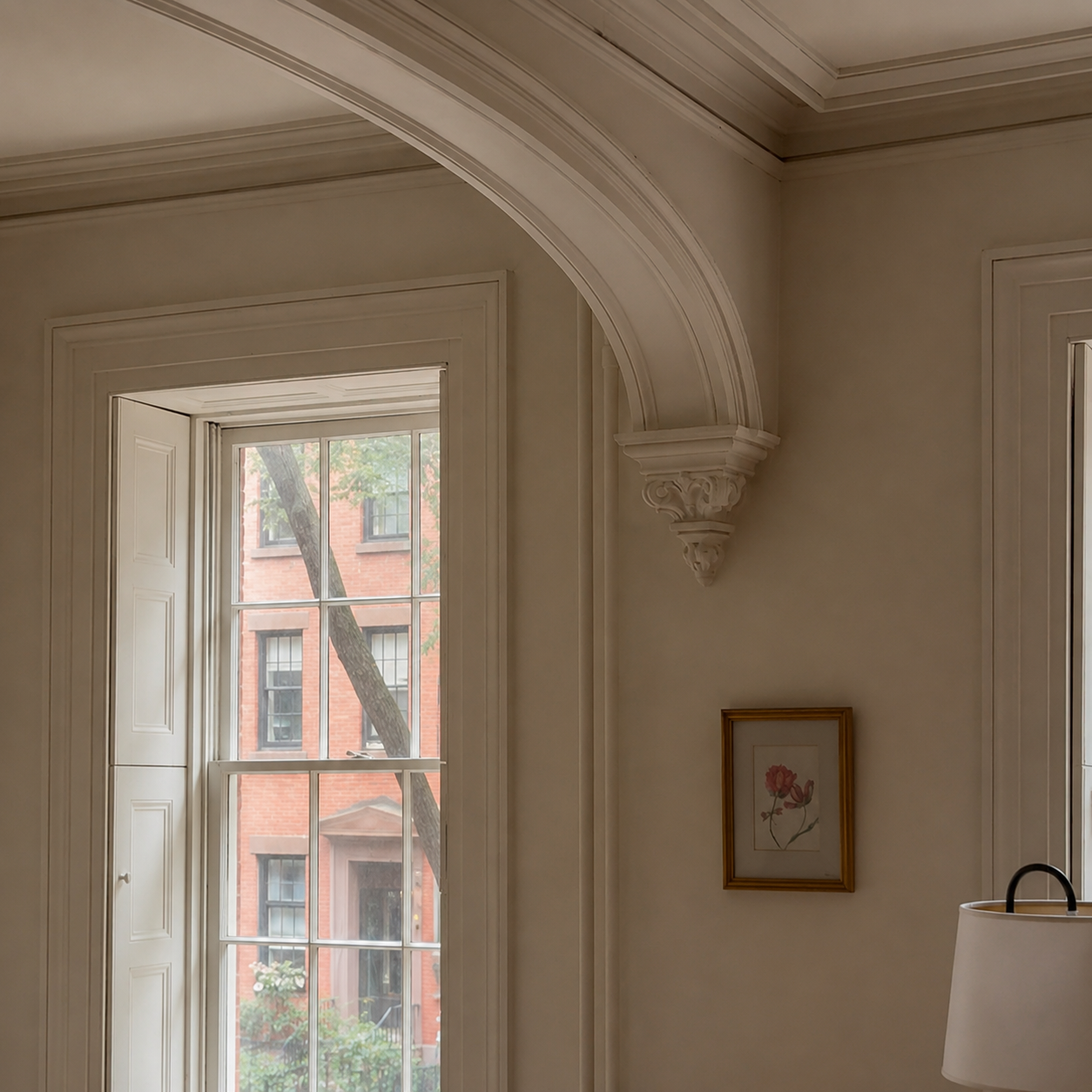
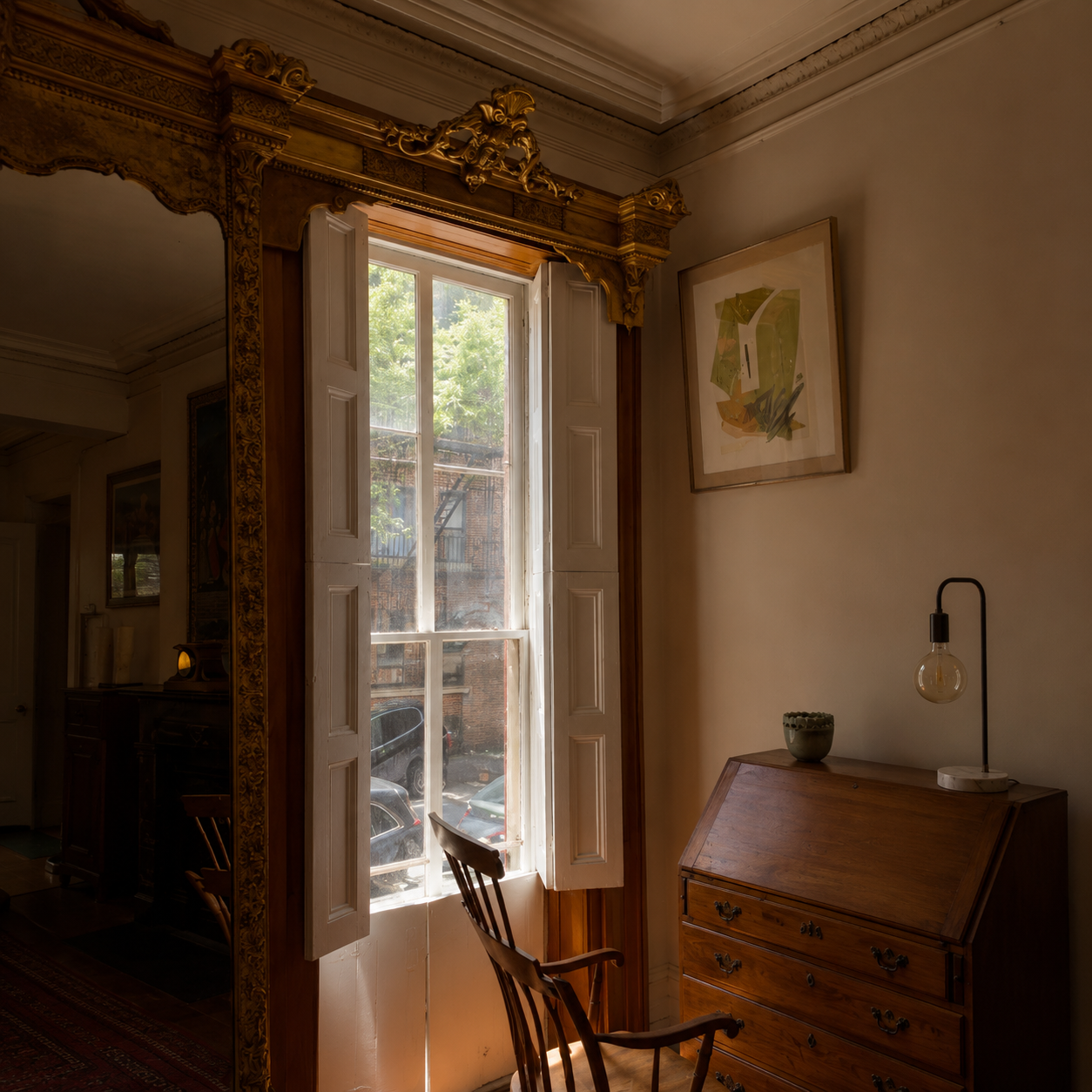
The parlor floor is the highlight. Broad plaster arches frame views from the front of the house to the rear, while tall ceilings and oversized windows fill the rooms with natural light. An original gold-leaf pier mirror reflects that light back into the space, surrounded by detailed moldings and marble fireplaces that have remained in place for generations.
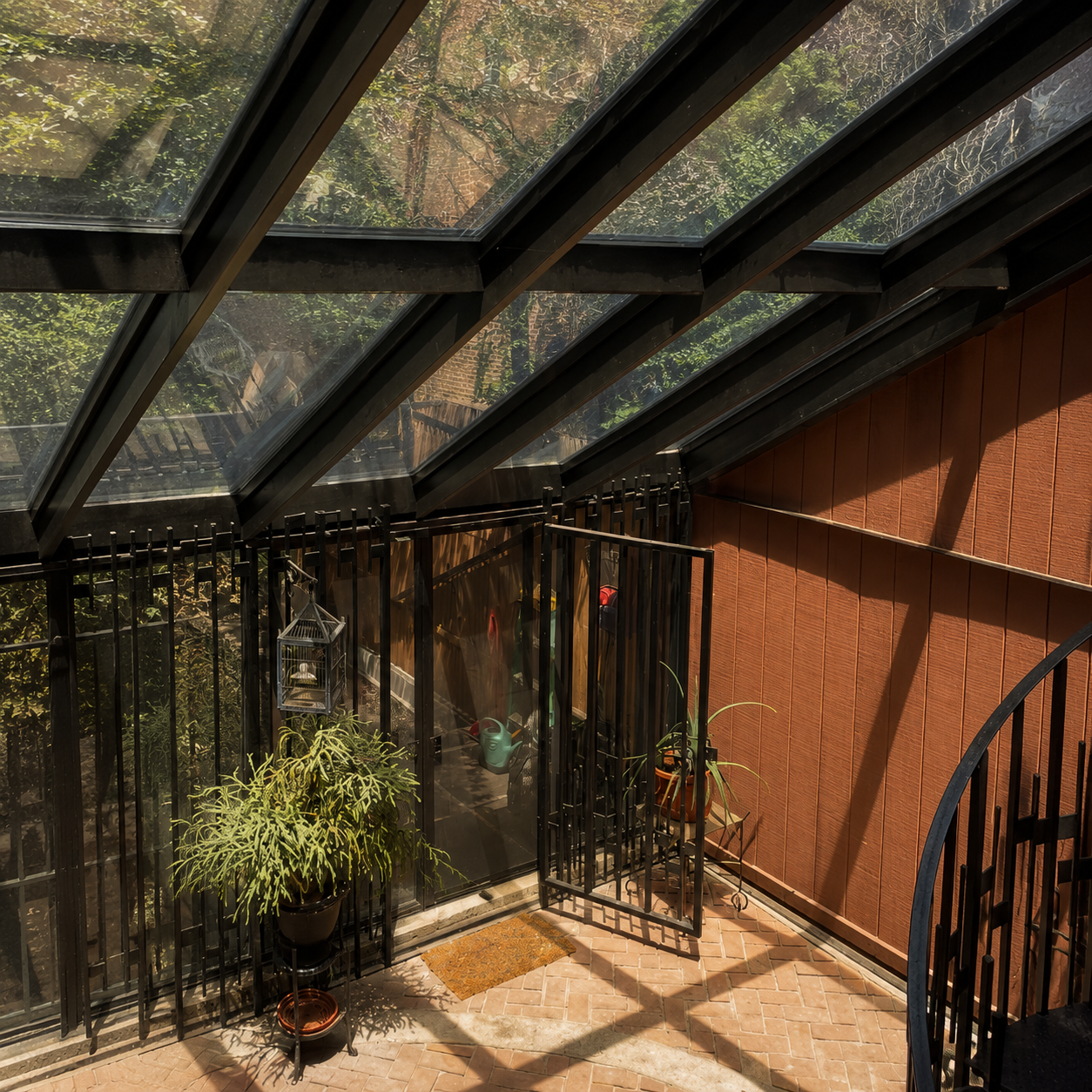
Beyond the parlor, a two-story greenhouse overlooks the private garden, creating one of the home’s brightest spaces. On the garden level, the dining room feels quieter and more intimate before opening directly toward the backyard.
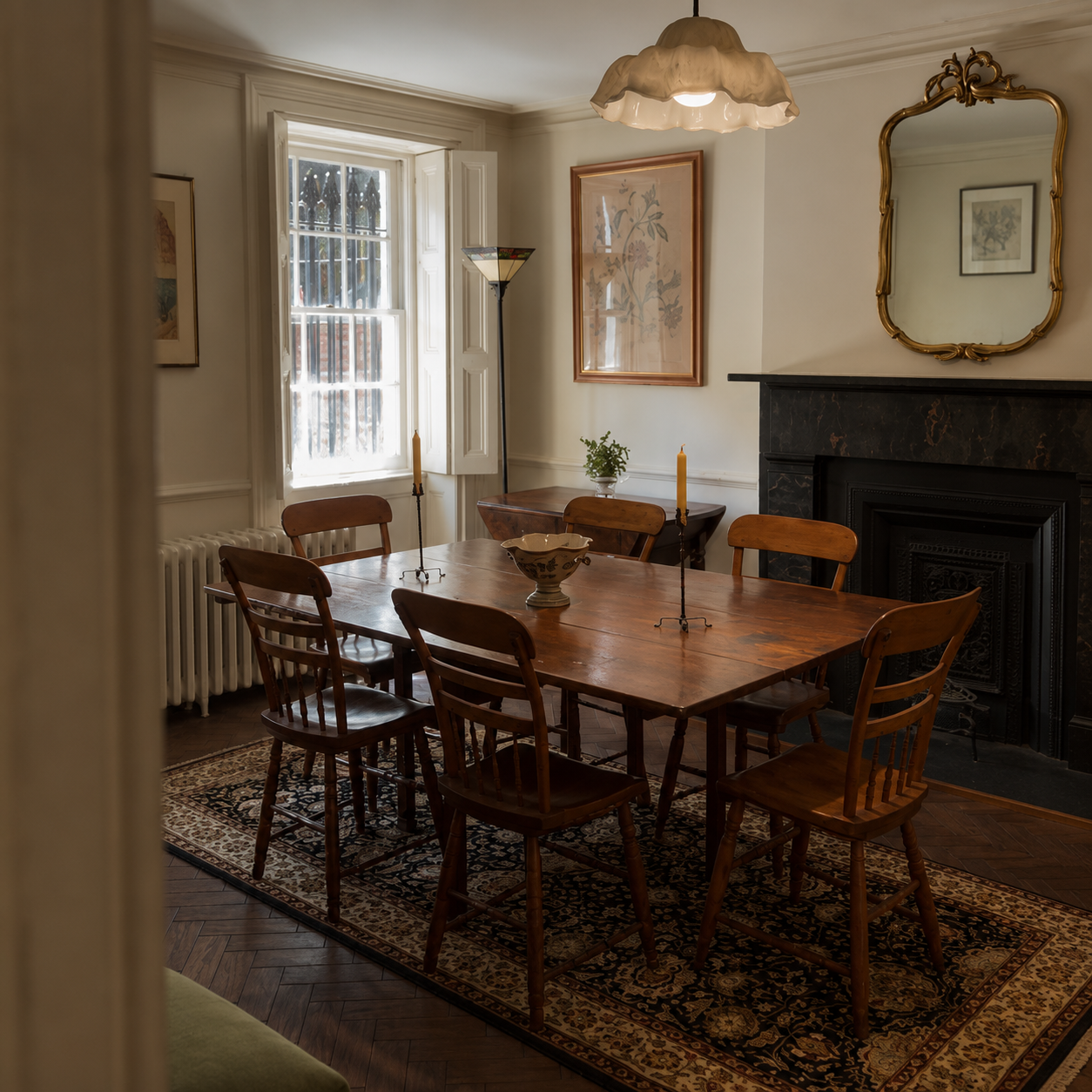
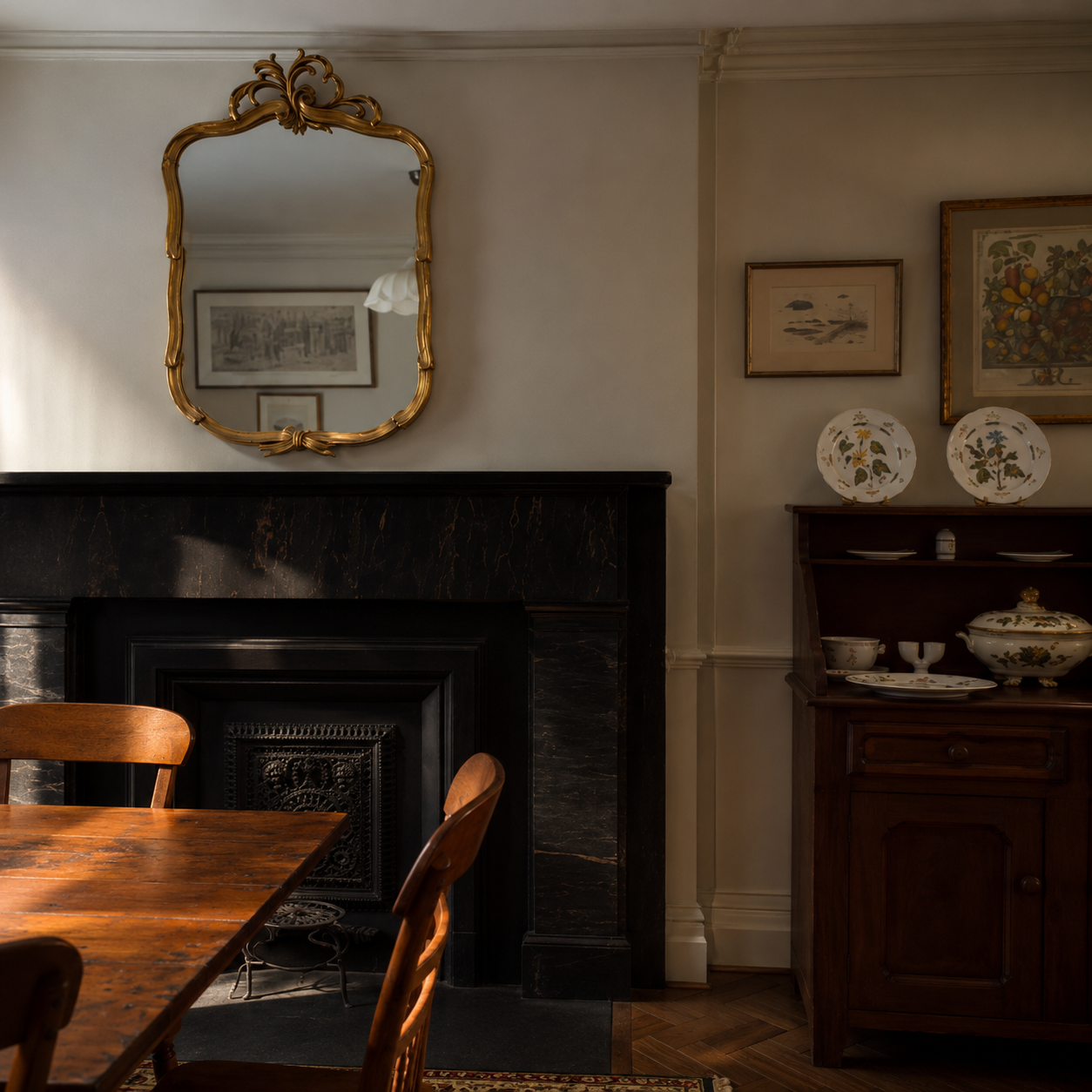
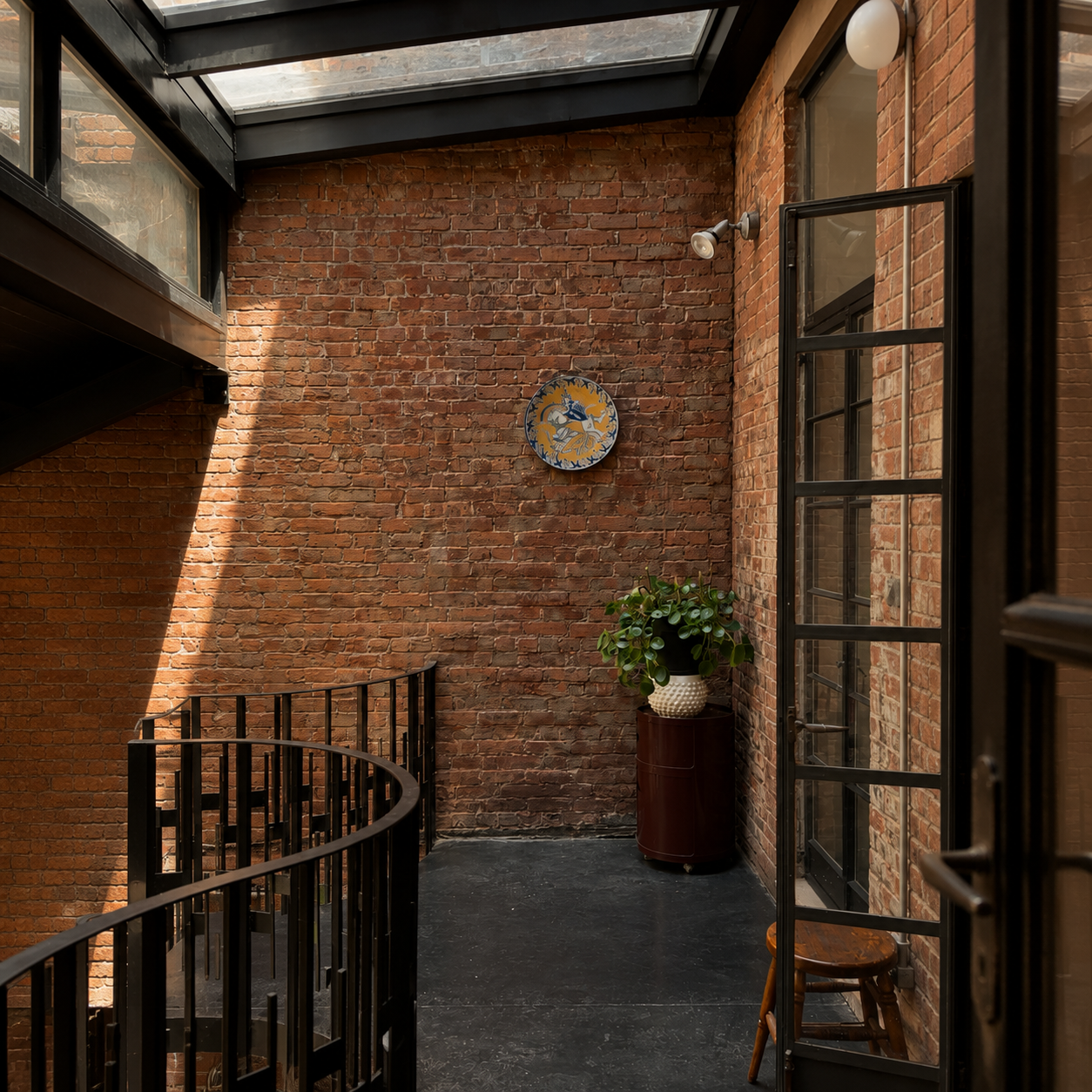
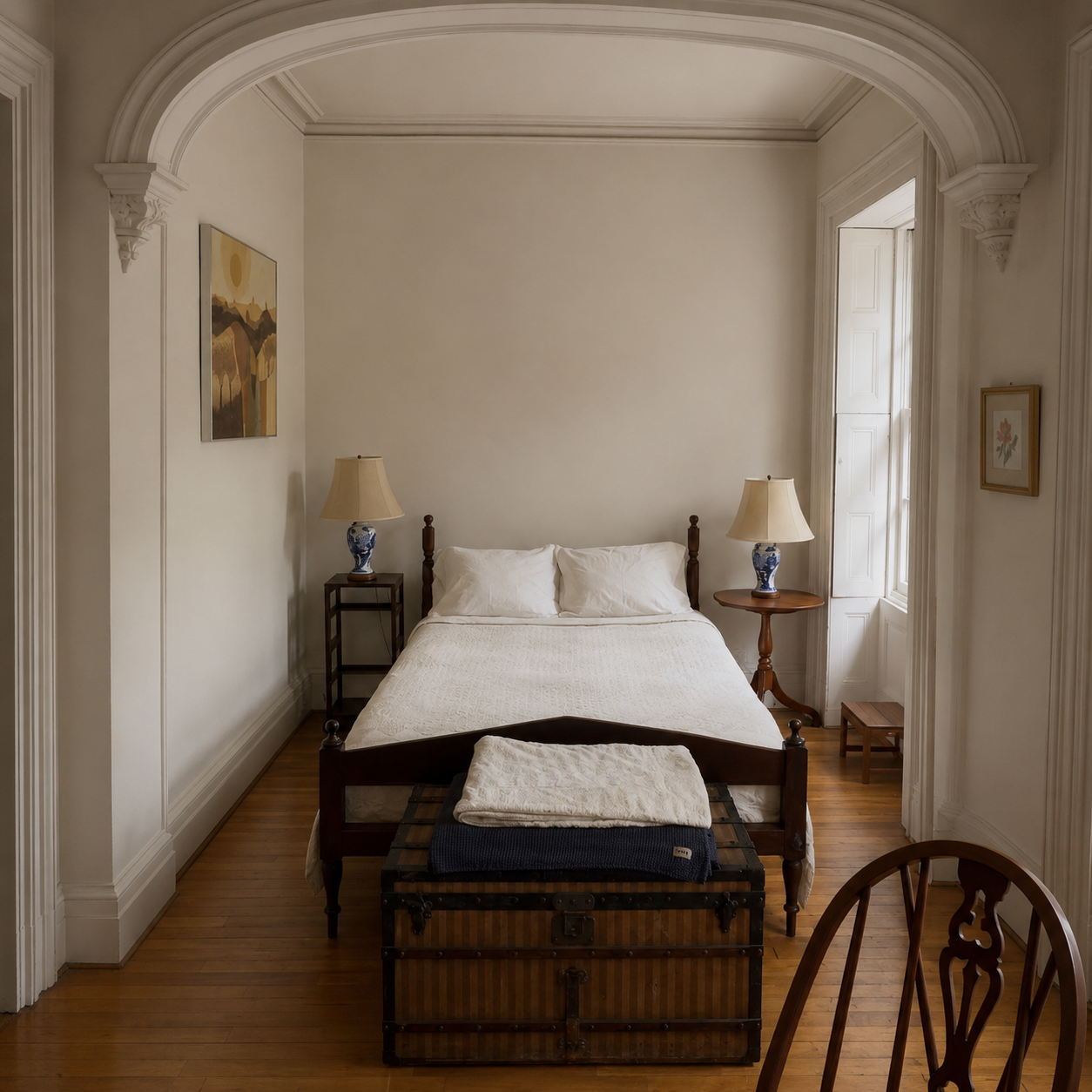
Upstairs, generously sized bedrooms continue the same feeling found throughout the rest of the house. Original proportions, thoughtful detailing, and remarkably intact architecture give every floor a sense of consistency that’s increasingly rare to find.
The Space
Original character is It asset. Know what it looks like.
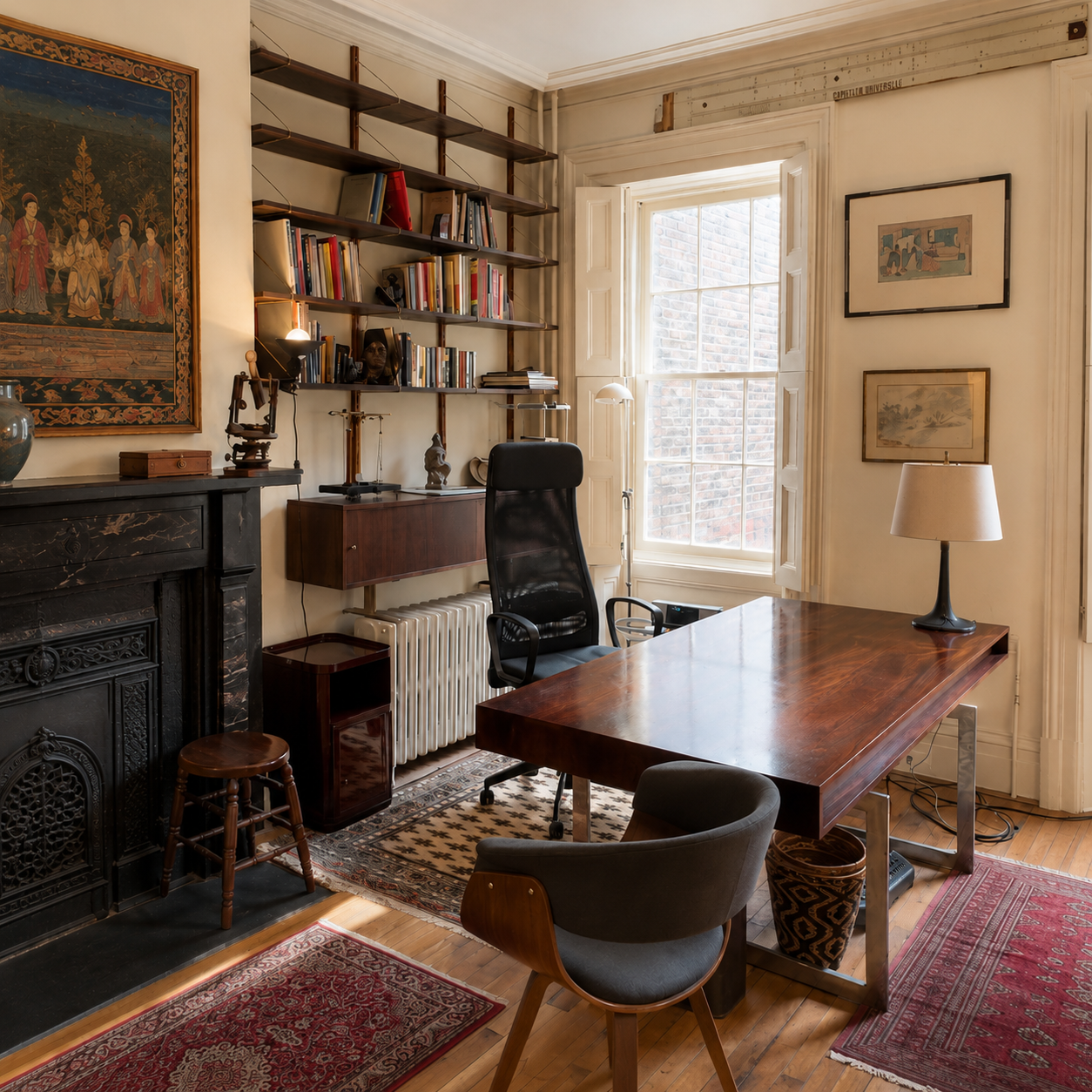
Much of the home’s character is found in the details. Original architectural features remain throughout the interior, joined by everyday fixtures and finishes that have quietly survived for generations. Together, they offer a closer look at the craftsmanship and domestic life of a nineteenth-century New York townhouse.
Architectural Arches
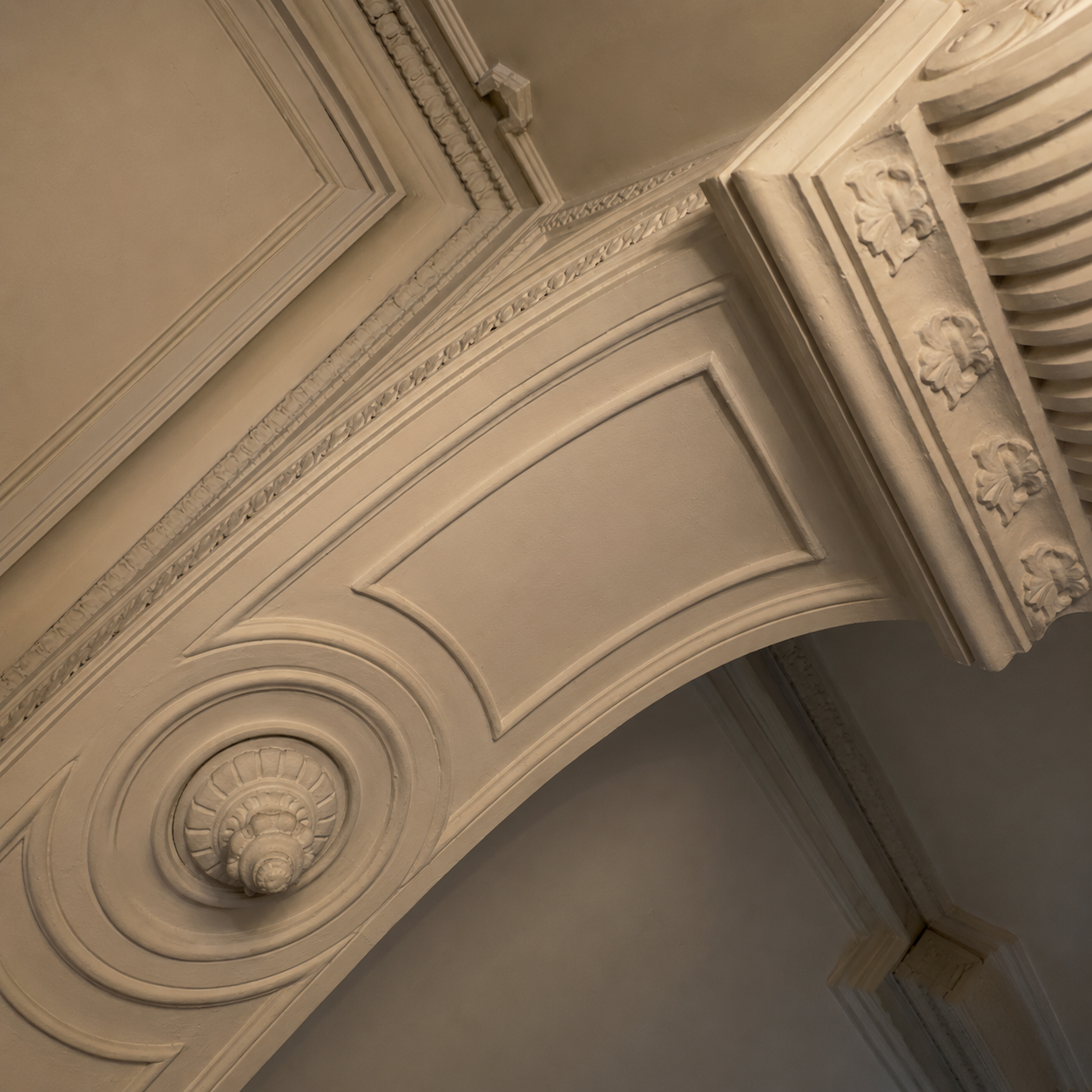
Broad plaster arches connect several of the home’s principal rooms, creating long sightlines while softening the transition from one space to the next. Their hand-crafted detailing remains one of the defining features of the interior.
Original Interior Shutters
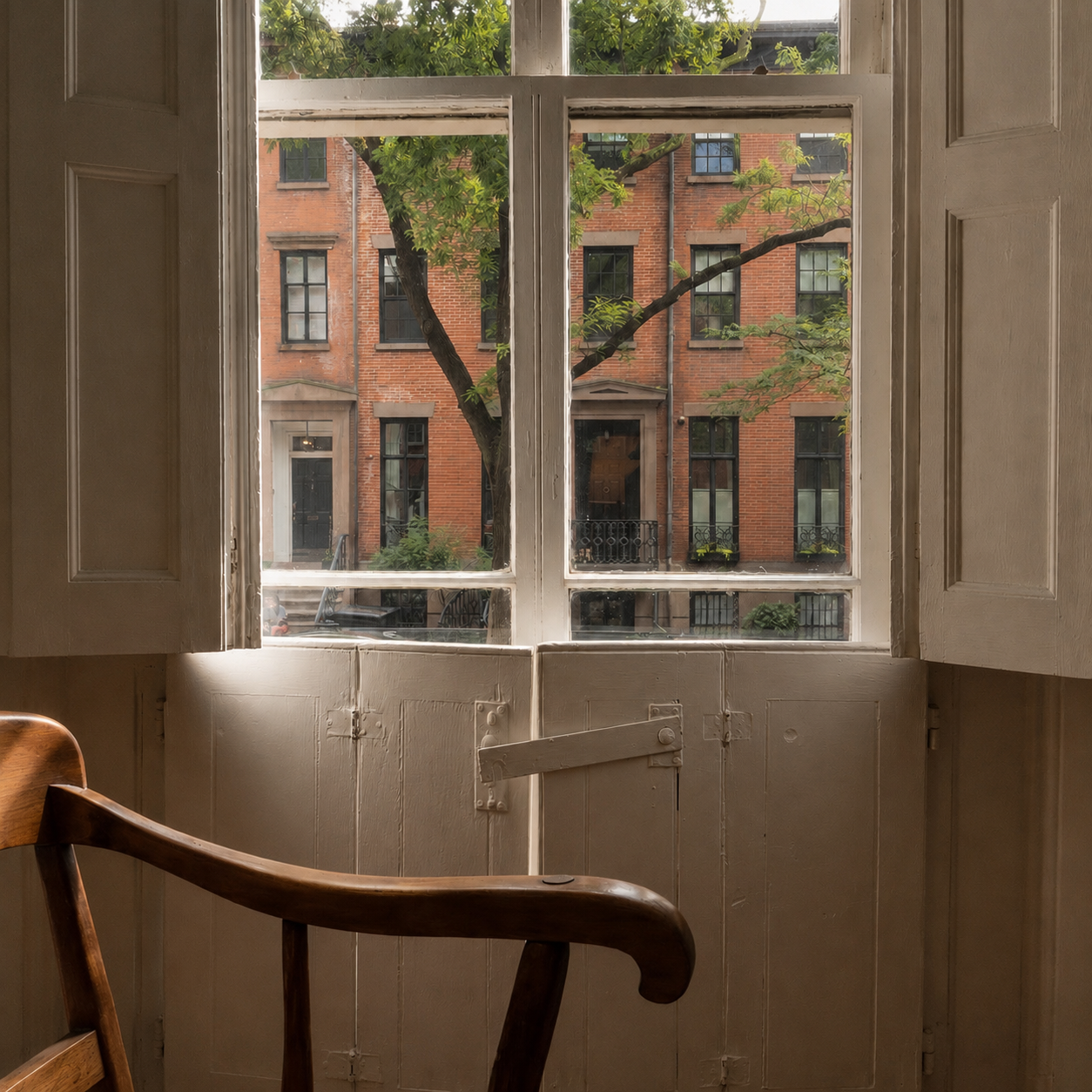
Many of the original wood shutters still slide into their recessed wall pockets beside the windows. Before blinds and insulated glass, they controlled light, airflow, and privacy throughout the house.
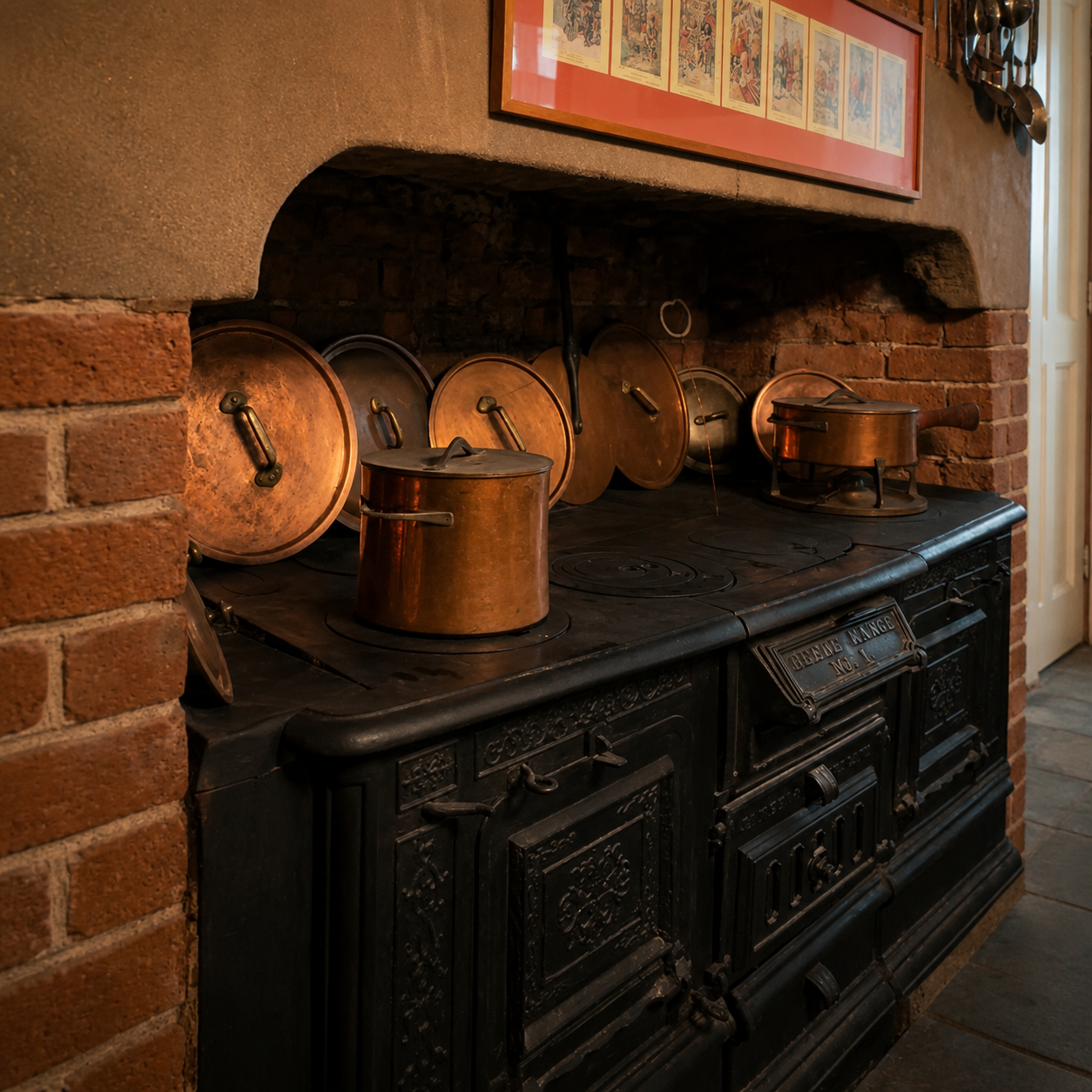
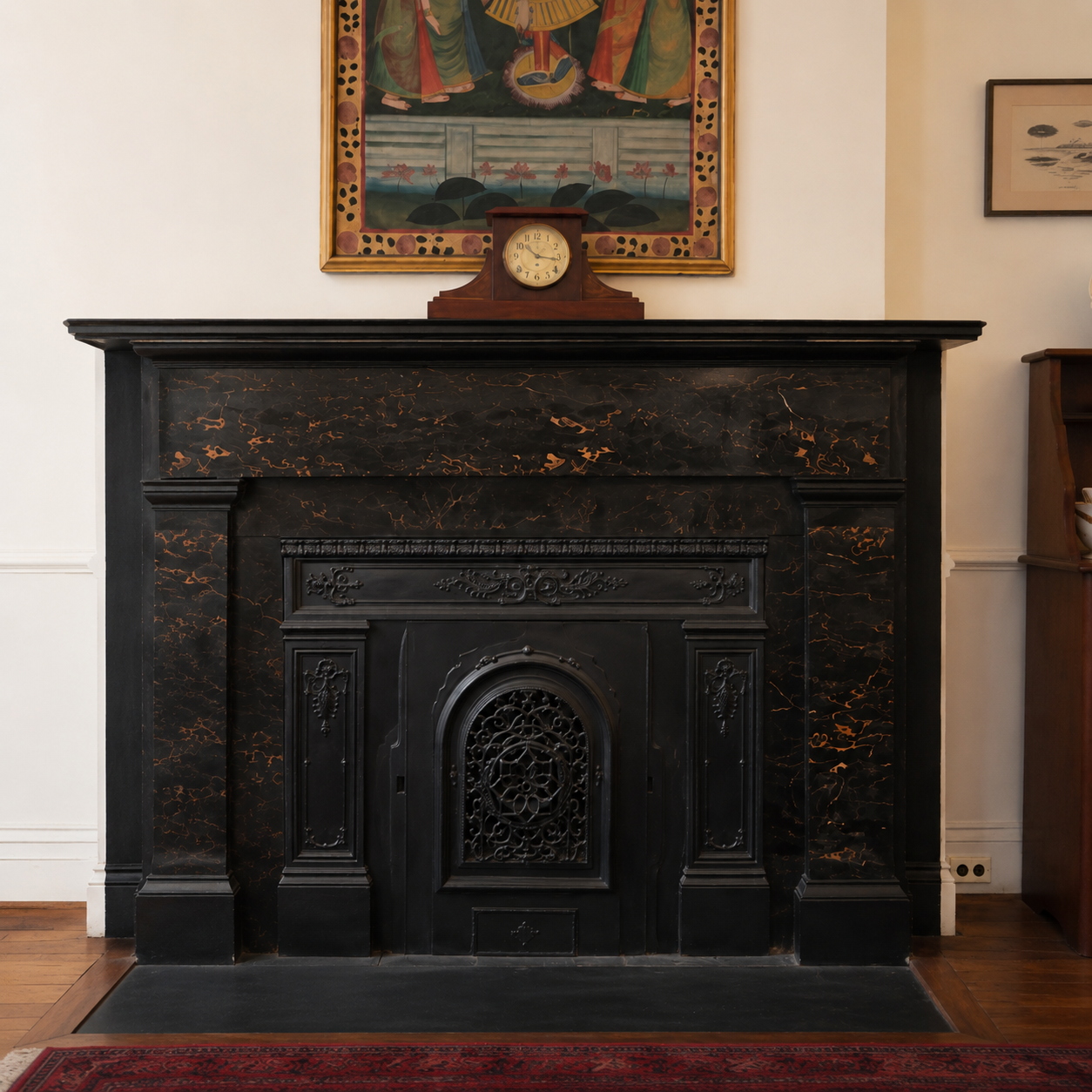
The Kitchen Hearth & Marble Mantels
Five black-and-gold veined marble mantels remain throughout the townhouse. Downstairs, the original wood-burning kitchen range still sits inside its fireplace, preserving a piece of everyday nineteenth-century life that’s rarely seen today.
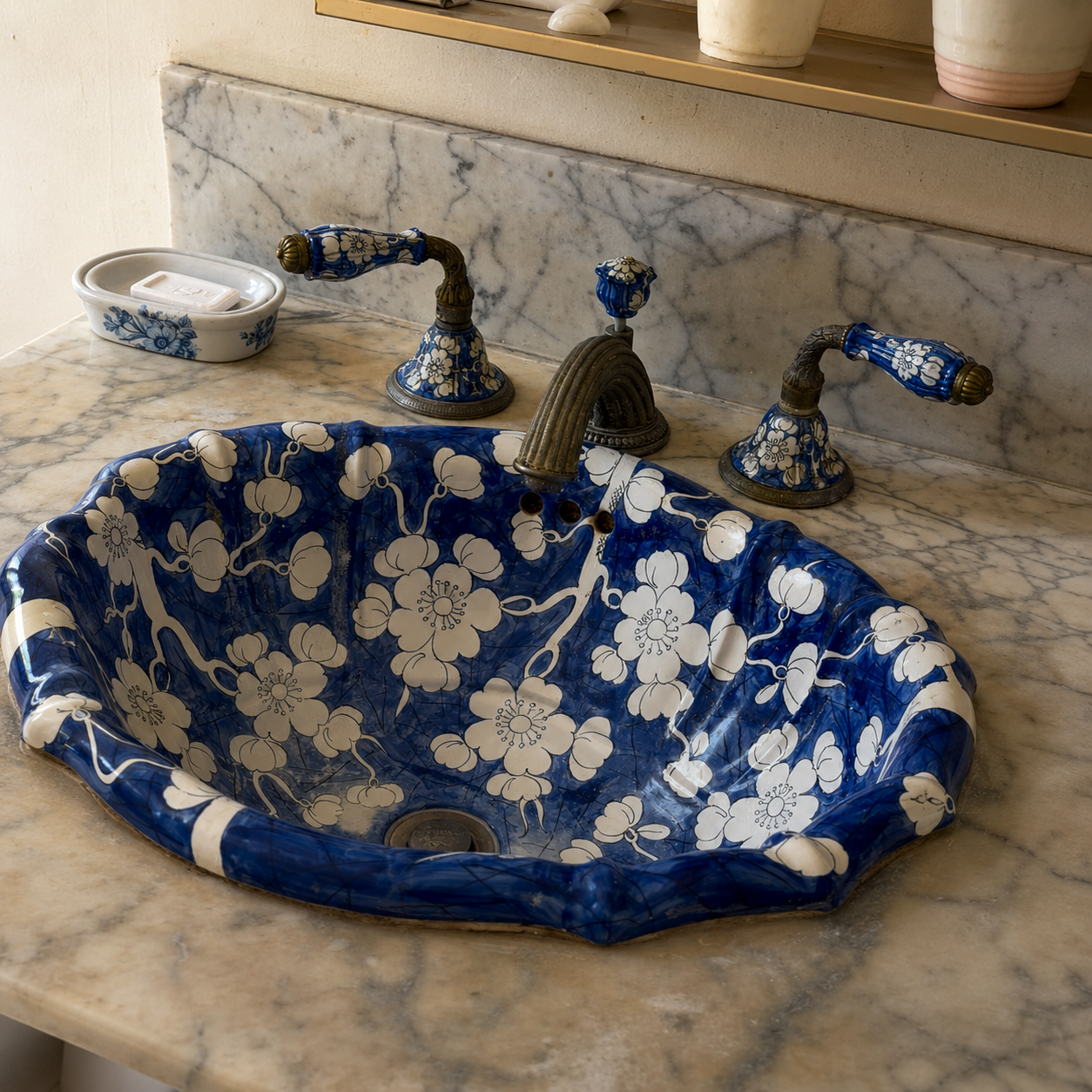
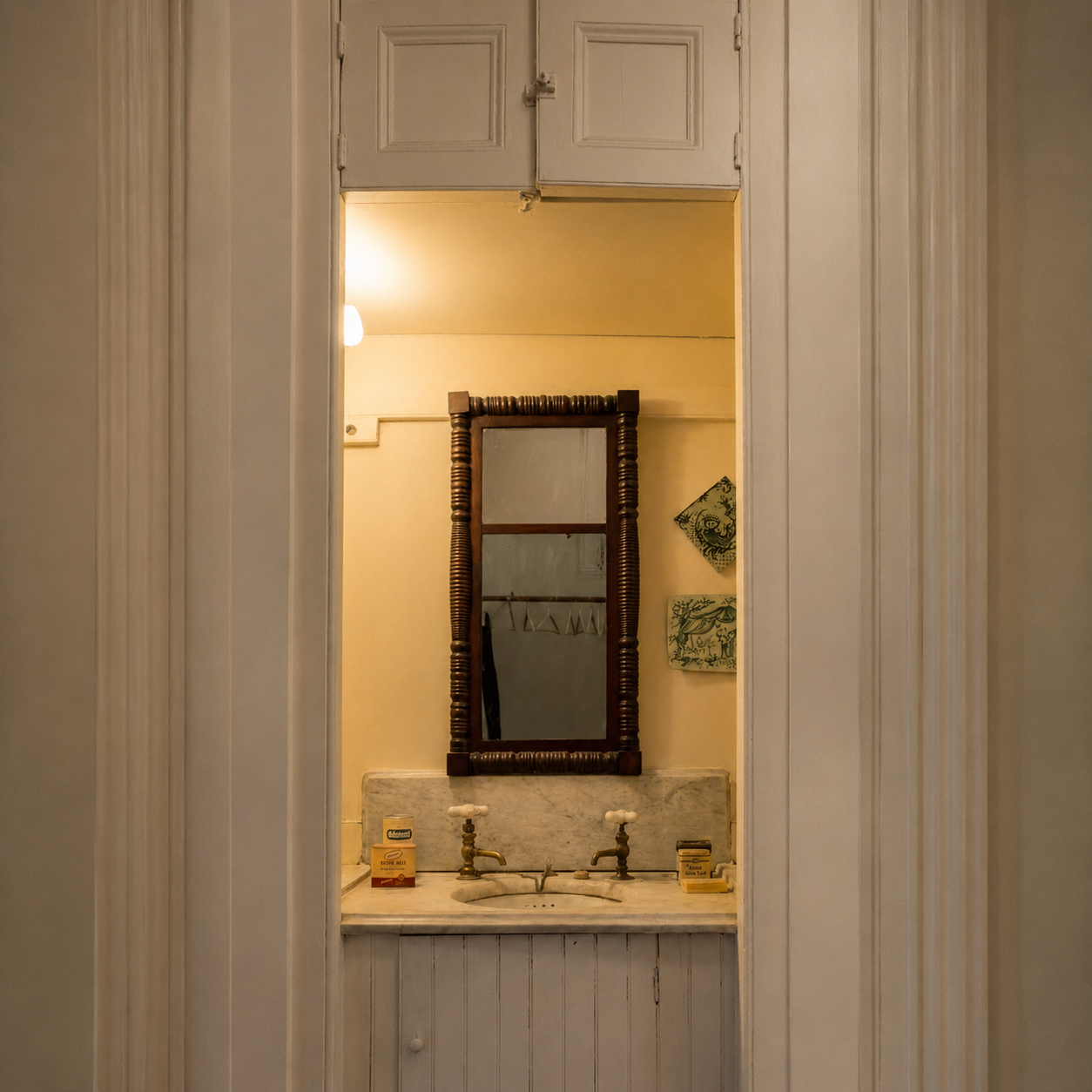
The Floral Porcelain Sink & Shaving area
A hand-painted porcelain sink survives alongside one of the home’s most personal details: an upstairs shaving alcove where decades-old bottles of Epsom salt, boric acid, and other toiletries still sit on the shelves, almost as they were left behind.
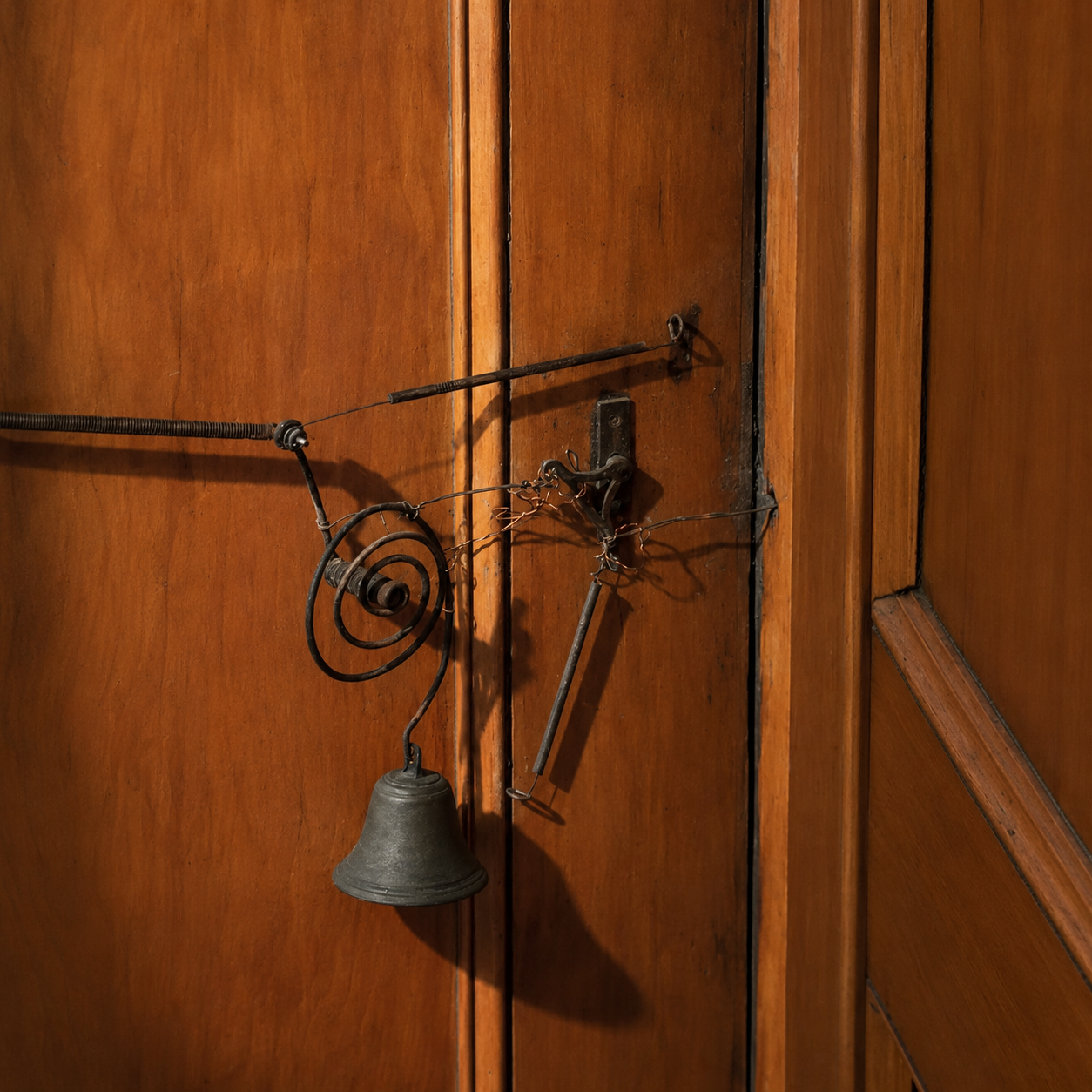
The Mechanical Doorbell & Original Hardware
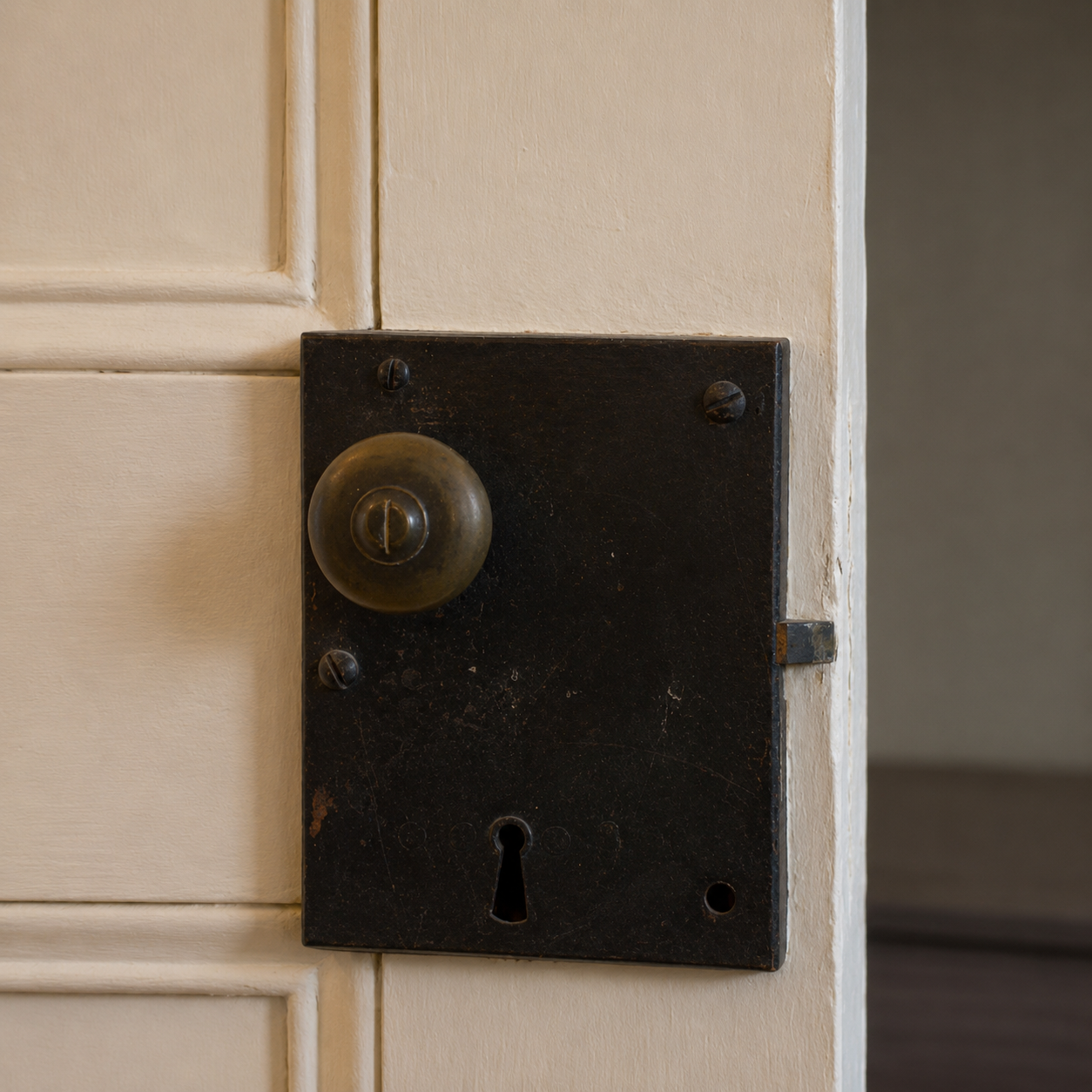
The original mechanical bell pull beside the front entrance still works through a system of hidden wires and springs, just as it did before electricity. Throughout the house, original doorknobs, mortise locks, and hardware remain in everyday use, small reminders of the craftsmanship that has survived with the building.
$11,995,000
4 beds | 2.5 bath
Townhouse in the West Village
The Story
Origins
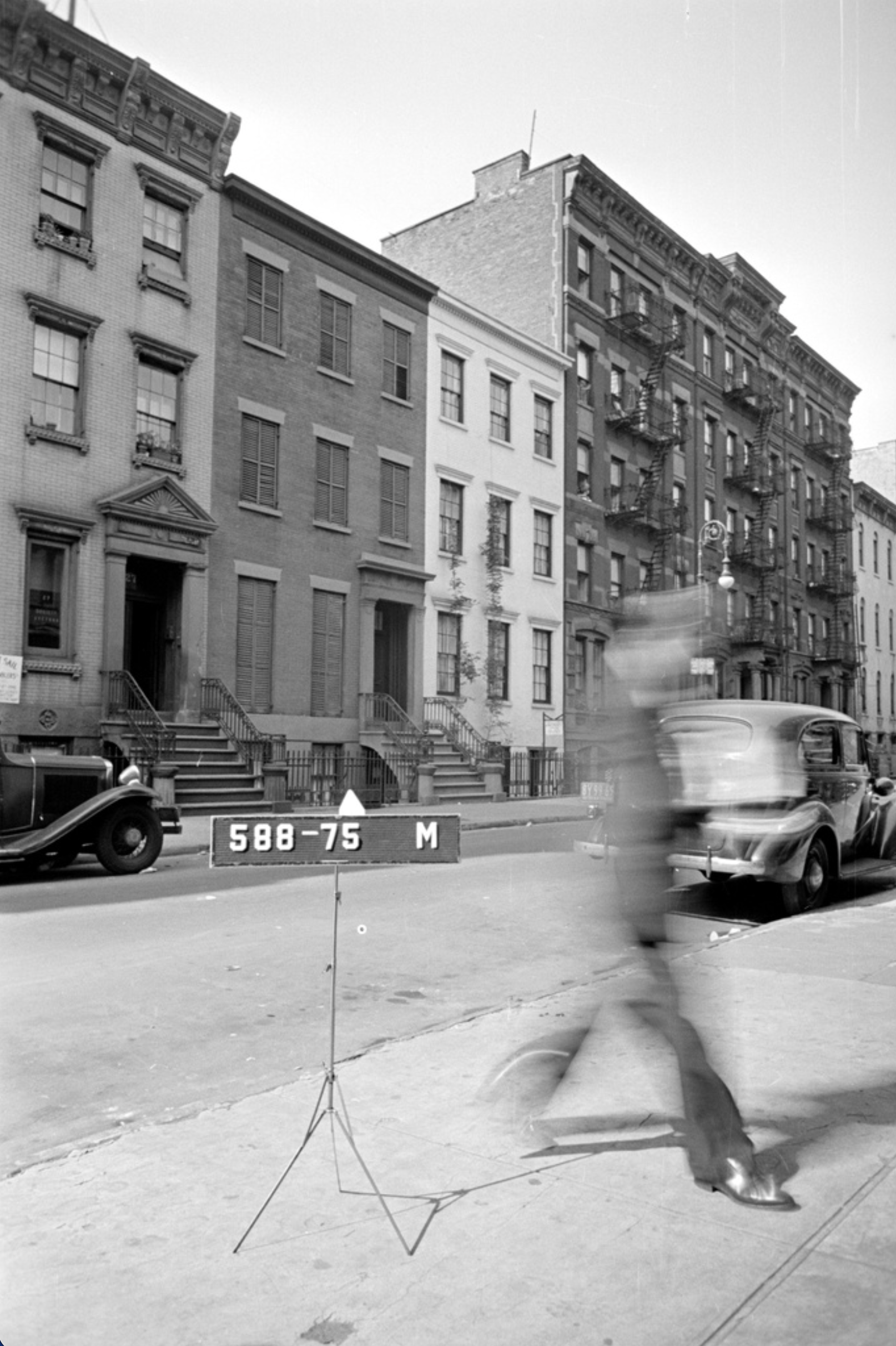
Built in 1841, the townhouse dates to a time when Greenwich Village was becoming one of Manhattan’s most desirable residential neighborhoods. During the same period, the neighborhood was also a center of abolitionist activity, with churches, homes, and local residents helping people escaping slavery. While no surviving records confirm this house as an Underground Railroad stop, its deep cellar, concealed lower levels, and overall layout closely resemble other documented sites in Lower Manhattan, making the possibility difficult to ignore.
In the 1920s, the house passed into the hands of a single family, where it remained for the next hundred years. As many neighboring townhouses were divided into apartments or heavily renovated, this one changed very little and was rarely seen by the public.
That long period of ownership left the house remarkably intact. Beyond those early years, though, its story becomes surprisingly quiet. For nearly a century, we know very little about the lives lived inside these walls.
AKN is a buyer advisory specializing in lofts, pre-war apartments, and architecturally distinctive homes throughout Manhattan and Brooklyn. The properties featured in Field Notes are independently selected for their architectural, historical, or design significance.
Unless otherwise stated, AKN does not represent the property, the listing, the seller, or the listing brokerage.
Listing courtesy of Harkov Lewis Team, Jordan Crystal
Photography by AKN