The City That Has a Bedtime.
They used to call New York
the city that never sleeps.
They call New York the city that never sleeps, but walk through Manhattan at 10 p.m. on a Tuesday and you’ll find plenty of sleeping. Restaurant lights dimmed, even bars closing down for the night, the movement of the city just flattened. It’s false advertising.
Ask most people what happened to their round-the-clock city and they’ll blame it on COVID, staffing shortages, rent hikes. But that’s not the whole story. The roots of New York’s insomnia run far deeper, back to the clang and smoke of its factory floors.
A hundred years ago, this was a manufacturing city. Garment shops, steelworks, print houses, docks. These places ran 24/7, and so did the lives around them. Shifts changed at 4 p.m., midnight, 8 a.m., meaning someone was always getting off work, hungry, restless, ready to eat, drink, dance, ride the subway home. That’s why the subway never stopped running. It wasn’t about convenience; it was infrastructure for a round-the-clock working class.
Many of those workers came from cultures that were nocturnal by nature, places where dinner begins at 10 p.m. and children wander the streets under a midnight sky.
Then came the great hollowing out. Manufacturing declined, the machines went silent, and the city was left with empty warehouses and buildings. Enter the artists.
In SoHo, Tribeca, the Lower East Side, painters, musicians, dancers, they inherited the night. The old factory spaces turned into lofts, rehearsal rooms, late-night venues for the creatively unemployed. The city still pulsed 24/7, but now to the sounds of jazz clubs, punk shows, open mics, and after-hours diners. The energy shifted from industrial to artistic, but the sleeplessness remained.
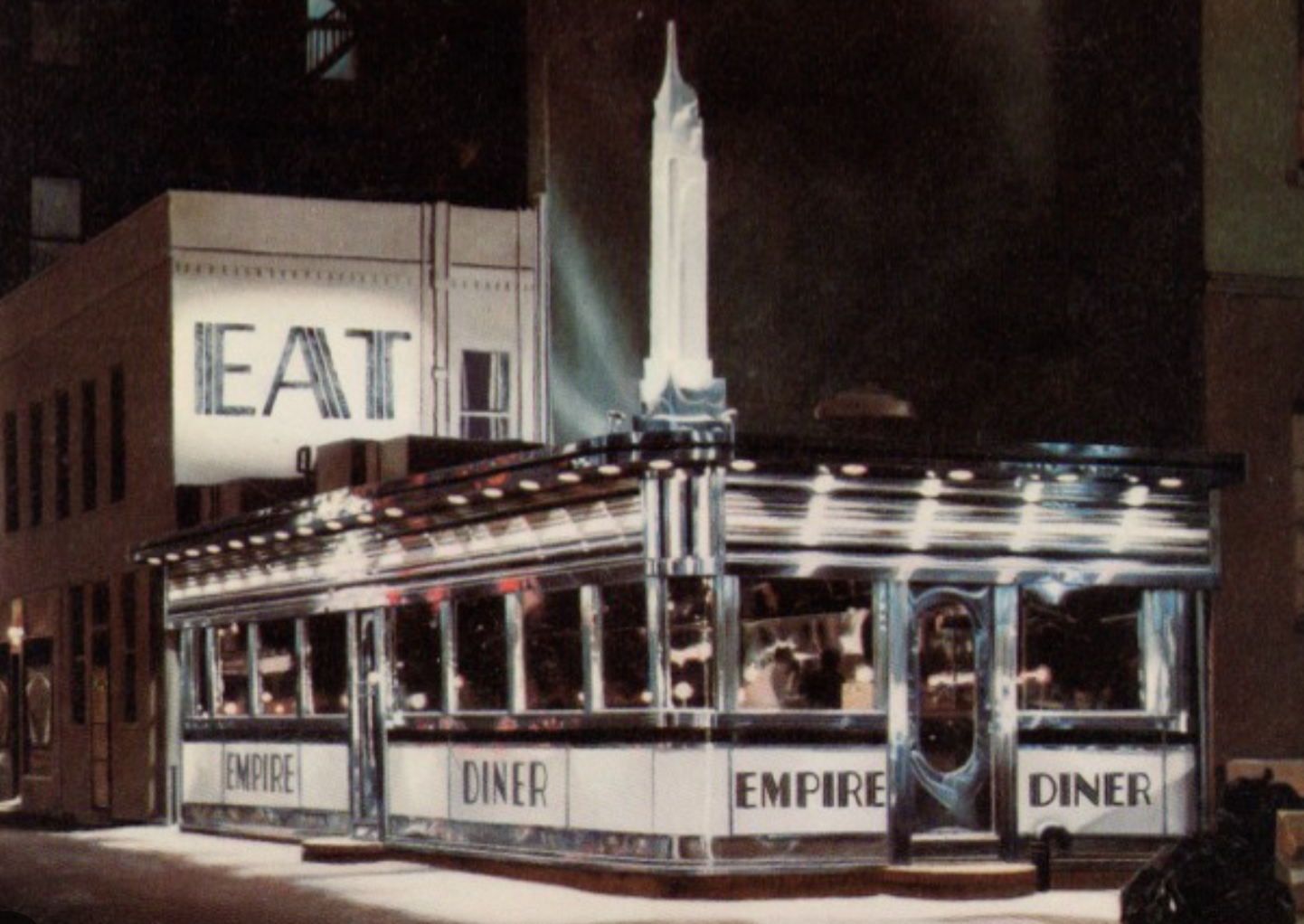
By the 2000s, the shift from artists to corporates had begun. Lofts became condos. Diners became “bistros,” bars became lounges. The people who replaced the artists, bankers, consultants, tech transplants , had early meetings and gym schedules. They didn’t close down bars; they reserved them. They didn’t live in the city to live in it, but to orbit it between work and sleep. The 24-hour metabolism of Manhattan slowed to a 9-to-9 lifestyle.
Those who still lived by night, artists, musicians, and the few workers left, moved outward to Queens, Brooklyn, the Bronx. You can still find pieces of the old New York lifestyle there in certain ways. Brooklyn holds the art scene now: music venues, dive bars, diners open until 3 a.m. Other boroughs have the same sleeplessness but in different forms, hookah cafés in Astoria, taco spots in Jackson Heights. These are the neighborhoods that carry New York’s original sleeplessness, the cultural echo of its past.
Meanwhile, Manhattan is being rebuilt for a new kind of lifestyle. You can still find pieces of the life we used to love in the East Village or Lower East Side. But where the glass towers rise, the neighborhood has a bedtime.