We'll Never Let The Lower East Side Lose It’s Soul.
What happens when the last real corner store closes?
The Numbers You Should Know
• Only 21% of small businesses in the Lower East Side have been around more than 20 years
• 49% have operated for more than 10 years
• 55% are family-owned, and 85% have a staff of five or fewer
• 46% of business owners say rising overhead — rent, utilities, insurance — is one of their top challenges, while 32% name rent as their biggest threat
• From 2019 to 2022, storefront rents in many NYC districts rose by roughly 30%
• Citywide storefront vacancy is 11.4%; in Manhattan, it’s 14.2%
• Many landlords are sitting on empty ground-floor spaces, waiting for higher-paying corporate tenants
These numbers aren’t abstract. They’re a shuttered gate, a papered-over window, a shop you used to walk into that’s just gone.
The Lower East Side is starting to disappear. Not on a map, but in spirit. Walk down Ludlow, Orchard, or Avenue A and you’ll see why the east side still matters. Cafes spilling onto the sidewalks, bakeries that actually bake, restaurants that feel like someone’s dream instead of a franchise rollout.
That’s what makes this neighborhood great. It’s not one thing, it’s the mix. You can walk one block and pass a dive bar, a boutique restaurant, a bodega, and a range of small shops that have been open for decades. There’s nowhere else in the city where that combination still feels this natural, this human.
It’s nitty, gritty, messy, alive, layered. It’s still here, but it’s getting harder to hold onto, and it’s something we need to pay attention to. This isn’t nostalgia. More “For Rent” signs pop up every month. Longtime shops vanish. The kind of places that give the neighborhood its heartbeat are getting priced out by the same forces that hollowed out the West Village.
The Death of Texture
The east side still has that thing you can’t manufacture, texture.
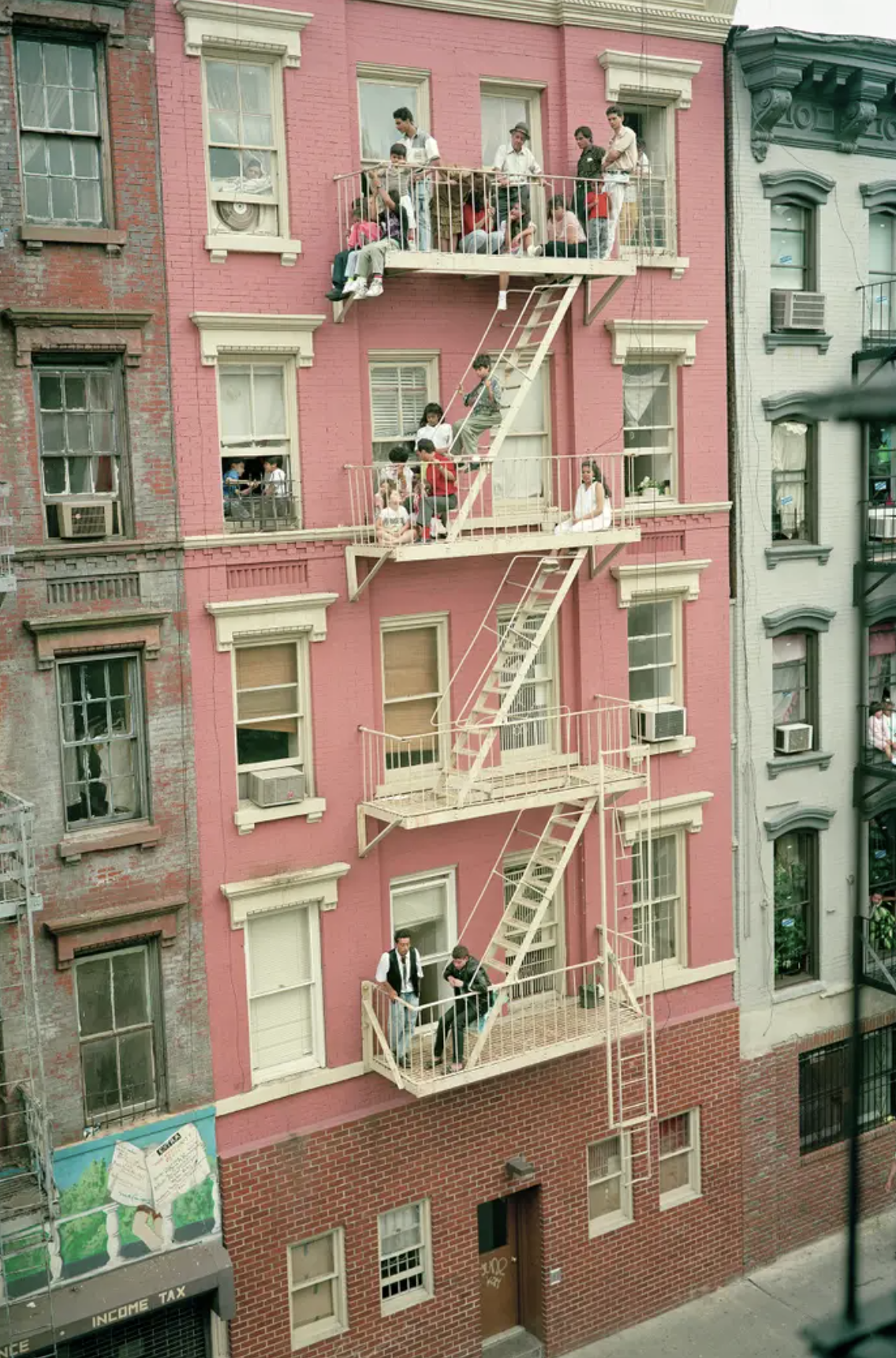
You can walk three blocks and move through ten different worlds. Jewish delis next to Puerto Rican groceries. Vintage stores beside tattoo parlors and that bar that smells like the floors haven’t been mopped since 1988. A new high-end lounge next to a family-run dumpling shop that still only takes cash. It’s imperfect perfection, chaos and balance at once.
The hand-painted signs, the smell of burnt coffee and newsprint, the cluttered display window that changes on a whim — that’s the pulse of a neighborhood.
We don’t want that madness replaced by uniformity and curated blandness. Everything’s branded, replicated, a copy of itself.
You can’t fake the patina of time or the comfort of passing the same faces year after year. What’s threatening it isn’t creativity, it’s cost. The empty storefronts creeping up the blocks are a warning sign. The narrow brick tenements and the low-rise rawness of the street can’t be replaced by shiny glass towers and chain stores.
The neighborhood still thrives, but you can feel the tension. More “For Rent” signs, more landlords holding out for chains, more small businesses barely hanging on.
If that keeps going, we’ll lose the balance and the magic that comes with it.
The Anatomy of Disappearance
Small businesses are getting crushed between four walls, low margins, city-imposed costs, high rents, and Amazon convenience.
How can a corner stationery shop survive when rent is twelve grand a month and the same notebook sells online for half the price with free delivery. How do you tell someone to spend more just to shop local. You can’t. It feels like charity, and no one wants to feel like they’re giving handouts to the heartbeat of their block.
Landlords raising rents play a role, but it’s not that simple. It’s systemic. The city’s not blameless, not for rent prices and not for the cost of doing business. Every regulation, every fee, every so-called improvement tax gets baked into the cost. So when leases renew, rents jump. Not always out of greed, but because the city’s made it nearly impossible for anyone but a Target or Trader Joe’s to survive.
What the City Could Actually Do
This doesn’t have to be the end, but it will be unless the city gives a damn.
Start with the basics. Cut operating costs for local small businesses. Stop bleeding them with fines and fees that big chains can shrug off but mom-and-pops can’t. Add a corporate tax, not to punish success but to stop massive brands from swallowing every block. If a company wants its tenth Starbucks within five blocks, it’s not fine. Make them pay for the cultural damage.
Let local shops breathe. Let them charge prices humans can afford without going under themselves. Every cost of doing business in this city gets baked into the prices these places charge. It’s not fair that New York makes it so expensive to stay open that a store needs to charge twice as much for the same thing you could get online, or two dollars for what used to be a ninety-nine cent slice.
Do the same for landlords who keep rents stable. Offer tax breaks to those who don’t raise beyond inflation. If they hike rents, tax them for it. Let them meet their margins without crushing tenants.
Yes, build more housing and make it easier to do, but do it with respect for the neighborhood. Keep the scale, the grit, the rhythm. Don’t drop Midtown into the Lower East Side. Build tall where tall belongs, Midtown, the Financial District, Hudson Yards, and let these streets stay true to their roots.
Because if this keeps going, we’ll have plenty of money left in New York, but no character. And once that’s gone, we’re not New York anymore.